Certified vs Non-Certified Translations: What’s the Difference and Why It Matters
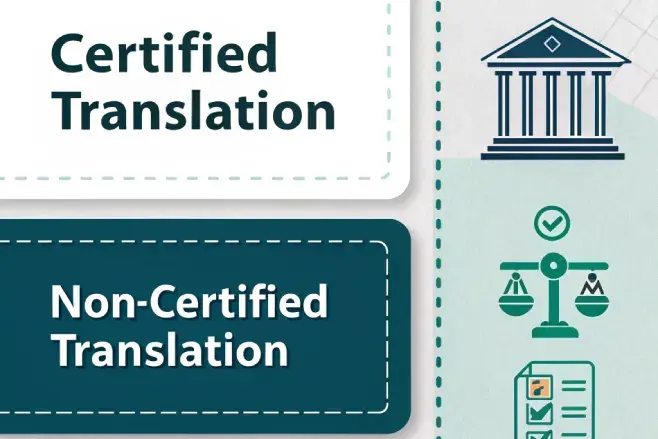
Have you ever found yourself in need of a translation for an official document, but unsure whether a certified translation is necessary? Whether it’s for immigration, legal purposes, or academic credentials, the difference between certified and non-certified translations can significantly impact the outcome of your process.
In today’s globalized world, understanding the difference between certified and non-certified translations can save you time, effort, and avoid costly mistakes. Certified translations are often required for documents like birth certificates, legal contracts, or immigration paperwork, while non-certified translations might suffice for personal use or informal purposes. But why does it matter? Keep reading this blog of Writeco to learn how choosing the right type of translation can affect your specific needs.
What Are Certified Translations?
Certified translations are translations that come with an official declaration stating that the translator is qualified and the translation is accurate to the best of their knowledge. This certification often includes the translator’s credentials and is typically necessary for formal processes, especially in legal, immigration, or government contexts.
Certified translations carry weight because they verify the authenticity of the document and the translation itself. This is crucial in legal, immigration, or corporate matters, where even small discrepancies can lead to serious complications.
Key Features of Certified Translations:
Translator's Declaration: The translator asserts the translation is true and accurate.
Translator’s Qualifications: Often, the translator holds relevant certifications or credentials in the language pair.
Format: Typically, the translation includes a signed certificate stating its accuracy and legitimacy.
Accepted for Official Use: Certified translations are recognised by courts, governments, and organisations as valid, reliable documents.
What Are Non-Certified Translations?
Non-certified translations, on the other hand, are less formal and don’t come with an official certification. These are often used for everyday purposes, such as translating emails, websites, or personal documents. While non-certified translations are still useful, they are not considered legally binding or official for proceedings that require proof of accuracy.
Key Features of Non-Certified Translations:
No Official Declaration: There is no formal certification regarding the accuracy of the translation.
Casual Use: These translations are primarily used for informal purposes like personal communication, informal business use, or non-legal matters.
No Legal Weight: They cannot be used in legal settings or for official applications like immigration documents or court cases.
Certified vs Non-Certified Translations: A Breakdown of Differences
Feature | Certified Translation | Non-Certified Translation |
Purpose | Legal, government, immigration, official documentation | Personal, business, informal use |
Official Recognition | Recognised by courts, embassies, governments | Not recognised for official processes |
Translator Credentials | Requires a professional translator with qualifications | No professional qualifications required |
Certification Statement | Includes a statement verifying translation accuracy | No professional qualifications required |
Use Cases | Immigration, legal, academic, corporate paperwork | Informal documents, casual communications |
As you can see from the chart above, the major difference between certified and non-certified translations lies in their intended use and the level of professional involvement. But why is this distinction important?
Why Does the Difference Between Certified and Non-Certified Translations Matter?
1- Legal Validity:
Certified translations are often necessary when submitting documents for legal or government purposes. Courts, embassies, and immigration offices typically require certified translations to ensure that the content of documents is accurate and trustworthy.
For example, if you're applying for a visa or citizenship, you may need to submit a certified translation of your birth certificate, marriage certificate, or other important documents. Inaccurate or non-certified translations could lead to delays or rejection of your application.
2- Avoiding Misinterpretation:
A non-certified translation may work perfectly for an email or personal letter. However, when it comes to critical documents like legal contracts or academic transcripts, any small error in translation could have significant consequences. Certified translations reduce the risk of misinterpretation.
3- Professional Standards:
Certified translations come with a level of professionalism that non-certified translations lack. Professionals who provide certified translations are often trained in both languages and the specific terminologies used in fields such as law, medicine, or business. This ensures that the translation is not only linguistically accurate but also contextually appropriate.
4- Acceptance by Authorities:
If you need your translated document accepted by government authorities or businesses, non-certified translations typically won’t meet the required standards. For instance, submitting a non-certified translation of a legal contract to a court could lead to delays or a failure to meet regulations.
How to Know When You Need a Certified Translation
Certain situations clearly demand a certified translation, and failing to get one could lead to complications. Here are common scenarios where a certified translation is required:
1. Immigration Applications:
Immigration offices often require certified translations for documents like birth certificates, marriage certificates, and passports. A non-certified translation might not be accepted in such formal proceedings.
2. Legal Proceedings:
If you’re involved in a court case, submitting official documents such as contracts, agreements, or affidavits in a foreign language will likely require a certified translation to be considered valid in the court’s eyes.
3. Academic Admissions:
Universities and colleges may request certified translations of academic transcripts, diplomas, or letters of recommendation for international students applying for admission.
4. Business or Corporate Matters:
If you're conducting business in a foreign country and need documents like financial statements, contracts, or business agreements translated, certified translations may be necessary to ensure they are accepted by local authorities.
Benefits of Certified Translations
Certified translations offer various advantages that can make them indispensable in certain scenarios. Here’s a look at the benefits:
1. Peace of Mind:
Knowing that a professional translator has certified the translation can offer peace of mind that your document is accurate and acceptable for official use. This ensures that no legal issues arise from mistranslations.
2. Legal Security:
Since certified translations are legally recognised, you can be confident that the translated documents will hold up in court or other official settings. This can be crucial for ensuring compliance with legal requirements in international matters.
3. Accuracy:
Certified translations are typically performed by specialists who have a deep understanding of both the source and target languages, as well as the specific terminology used in different fields. This guarantees a higher level of accuracy compared to non-certified translations.
4. Broad Acceptance:
Certified translations are widely accepted by a variety of institutions, including courts, immigration agencies, universities, and businesses. This broad recognition is invaluable when you need documents accepted on an international scale.


Comments